








How is a diagnosis made?
The diagnosis of MSA, as with many other neurological conditions, is made by clinical observation. This can be very complicated and requires a skilled specialist doctor who recognises the signs and symptoms of MSA. They may be a Neurologist or a specialist in movement disorders. First the specialist will exclude other possible causes of the presenting symptoms. Experts have agreed diagnostic criteria which clearly describe the set of signs and symptoms which indicate a possible or clinically established diagnosis of MSA.
The difficulties in diagnosis
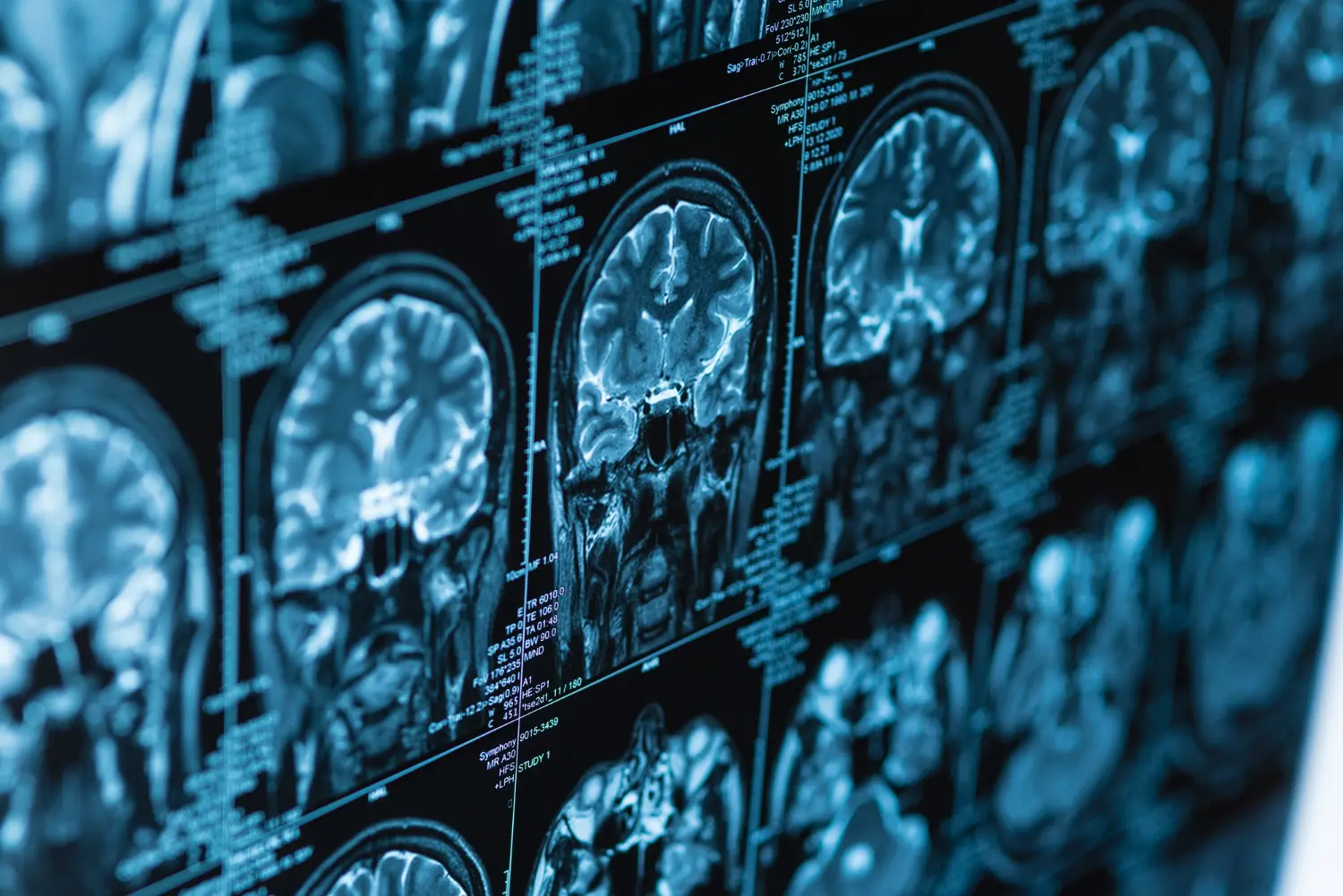
There is no blood test or scan that can give a definite diagnosis of MSA. Scans may be used to exclude other possible causes or to support the diagnosis. The definite diagnosis can only be made after death, on examination of the brain. Therefore, a clinically established diagnosis is the most certain given during life and can be used as a diagnosis for the purpose of accessing services. (A “clinically established diagnosis” means identification of a disease by examining signs and symptoms.)
It is common for people with MSA to initially be diagnosed with another condition due to the similarity between neurological conditions at early stages. About two thirds of people with MSA first receive a diagnosis of Parkinson’s disease Others may receive a diagnosis of Ataxia (difficulties with coordination) or Pure Autonomic Failure, (a degenerative disease of the autonomic nervous system). The way MSA progresses distinguishes it from other diseases, so a diagnosis can often take a couple of years.
A change in diagnosis is not a reason to lose confidence in the doctor. It just means that with more information and observation of the progression over time they are able to move towards a more accurate diagnosis. One of the key ways of differentiating MSA from Parkinson’s disease is that the levodopa medication usually used in Parkinson’s disease has little or no benefit, or that the benefit only lasts for a short time.
Atypical Parkinsonism
MSA belongs to a group of conditions called Atypical Parkinson’s, or sometimes called Parkinson’s plus.
Other conditions in this group include Progressive Supranuclear Palsy (PSP) and Cortico Basal Syndrome (CBS). They all have some features in common with Parkinson’s disease but are different conditions.
Types of MSA
Some people with MSA are given a more specific diagnosis of MSA-C or MSA-P. These terms are sometimes given depending on the early presenting symptoms.
If the early symptoms are more like Parkinson’s disease, with difficulties starting to move and slow and rigid movements, they may be diagnosed as MSA-P. The Levodopa medication which is used to treat Parkinson’s can be helpful with some of the symptoms. If you are diagnosed with MSA-P, you are likely to get more benefit from these types of medications, than you would if you are diagnosed with MSA-C. About a third of people with MSA will get some benefit from Parkinson’s medications.
If the person has early symptoms indicating cerebellar atrophy (shrinkage) they may be diagnosed as having MSA-C. These symptoms include balance difficulties, slurred speech and lack of coordination.
Until research finds a cure for MSA, the focus is on managing symptoms as effectively as possible, so a diagnosis of MSA-C or MSA-P is not so important. However, for clinical trials it may be important depending on what the treatment is hoping to improve.
Working with your health professionals
GPs and other health and care professionals are likely to be unfamiliar with MSA as it is a rare condition. They can, however, become experts by caring for you. It can be useful to give them our MSA Trust factsheets and contact details.
It is unusual for the diagnosis of MSA to be wrong, but if you feel uncertain about the diagnosis it may be appropriate for you to request a second specialist opinion through your GP.
Further information
If you have any questions about your diagnosis, you can discuss these further with our MSA Health Care Specialists. They can also advise about getting a second opinion.