






This factsheet has been developed to provide information about supporting research through brain and tissue donation. It is aimed at those considering whether to donate their tissues for research and those who have already decided to donate. In this factsheet ‘tissue’ refers to the brain, and sometimes, spinal cord tissue too.
Brain donation can be a sensitive subject and may evoke strong emotions. This factsheet has been compiled to help those affected by MSA and their families make a decision about whether brain donation is right for them. Having read the factsheet, if there is anything you would like to talk about further, please contact our MSA Health Care Specialists.
What are Brain Banks?
A brain bank is a scientific facility that receives donated brains and carries out neuropathological examinations to obtain a definite diagnosis. It stores samples of donated tissue to distribute to researchers worldwide, in order to further research into neurological disorders. There are about a dozen of these facilities in the United Kingdom with differing areas of specialism and not all will use the donated tissue for research into MSA. However, the brain banks do work collaboratively, especially where rare disorders are concerned. Researchers working on MSA can request tissue from a bank where MSA is not a specialism. In addition, any research into neurological disorders can broaden knowledge of other related disorders. So, if your preferred or local brain bank does not directly research MSA the donation could still support MSA research.
Medical research is needed to further neurologists’ understanding of all neurological diseases, including MSA. Many research projects require tissue from people affected by diseases as well as those who were not affected. People who do not have a neurodegenerative disease act as a control group, so differences caused by the disease can be identified. Therefore, anyone can choose to donate their brains and tissues if they wish to. By furthering knowledge of MSA, researchers stand a better chance of developing early and accurate diagnostic tests. This takes the process a step closer to greater understanding and hopefully, one day, a cure.
The tissues donated to a brain bank are stored under a licence from the Human Tissue Authority and used in research studies for many years. A researcher can request the use of tissue samples from a bank, but the study must meet strict ethical and legal requirements for the samples to be released for use.
Why do people donate?
Most commonly people with MSA are given their diagnosis by a process of elimination. Neurological investigations are conducted to rule out other diseases, leaving MSA as the most probable disease as the cause of symptoms. However, it is only under microscopic examination of the brain tissue that a definite diagnosis of MSA can be achieved. Examination of the spinal cord may also be very helpful in cases of MSA.
As MSA is a rare and still relatively unknown disease, the chance to further medical knowledge is another reason for people to donate their brain for research. Those with MSA and their families often feel this is something they can do to help prevent others experiencing what they are going through. Families often report that receiving certainty of diagnosis after the donation is helpful in coping with their loss and grief.
How do I decide to donate my tissues?
The first step in donating your tissues is to gather as much information as you feel you need, so that your decision can be made with the benefit of knowledge and the full facts. It is important to talk to family members so that they fully understand your wishes. You might also like to inform your healthcare team, such as your GP or specialist nurse. Donation is not a fixed decision, so you are free to change your mind at any time.
The brain bank will need to collect a number of consents and registration details. Some brain banks may also want to contact you at regular intervals, as the information you provide at various stages can further benefit research. For this reason, it is important that having made the decision to donate, you register with the centre of your choice as soon as possible. This will ensure all arrangements can be made well in advance and allow you plenty of time to talk through the process.
Brain bank staff are experienced at dealing with any questions you may have about the registration and consent process and will be pleased to help. Asking questions does not commit you to taking part and, of course, brain banks have trained staff who will impartially talk you through the donation process.
What happens at the time of donation?
When you register for tissue donation with a brain bank they will talk you through the process of the actual donation. Normally, the next of kin will notify the brain bank as soon as possible following death. There are tight timescales for the use of brains and tissues after death so it is important that your next of kin know what to do. The brain bank will then make all the arrangements for the donation to take place and they will keep your family updated as much as they wish. Donation usually takes place at your local hospital mortuary. However, on rare occasions when they may be too busy, the next nearest mortuary would be approached. Your family should also notify the GP to obtain a death certificate and notify the funeral director.
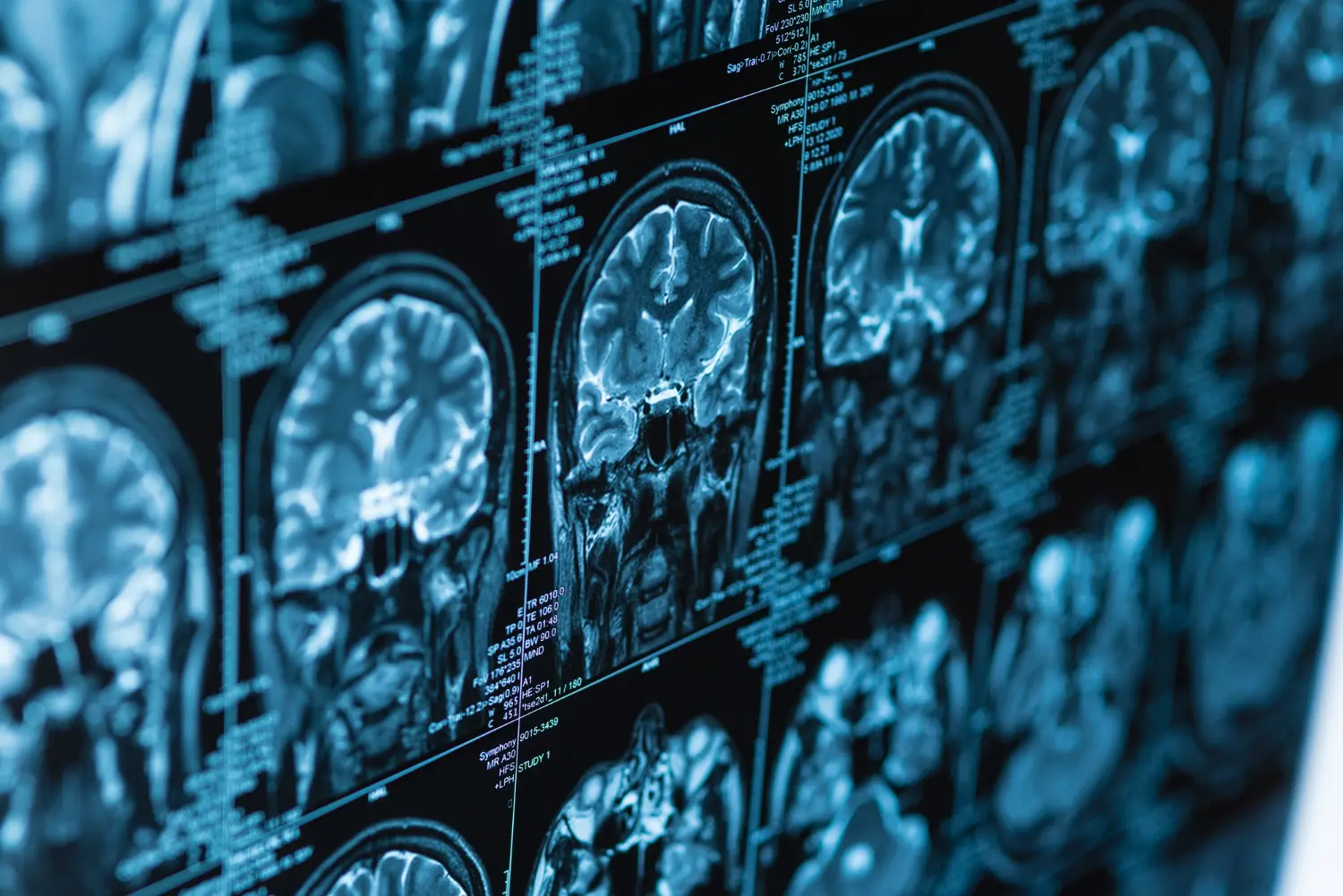
Once received at a brain bank, some brain and tissue samples are preserved in a fixative and others are rapidly frozen. The brain is examined and samples selected for further examination using a microscope to determine diagnosis. This process is known as histopathology. It can take several months to fully determine whether destructive changes in the brain were the result of MSA. Next of kin can then be informed of the neuropathological findings by trained medical or nursing staff, if that was the donor’s expressed wish.
The most common questions
The topic of brain donation can be a sensitive and very personal one. Brain donation contributes towards a greater understanding of MSA and is still the only way of accurately diagnosing the disease. Staff at the tissue bank at Imperial College, London, kindly provided answers to frequently asked questions.
Some of the information below may be specific to the Imperial Tissue Bank and some is more general. Everything is included to give you a greater understanding of the process, but you should check specific details with the brain bank you are thinking of donating to.
How do I go about arranging to donate my brain and tissues?
Please contact the MSA Trust who will put you in touch with your MSA Health Care Specialist who can provide you with more information about possible brain bank options in your area.
Will my brain and tissues go to the nearest brain bank or to a specific one for MSA research?
Each brain bank has its own research speciality. The most benefit to MSA can be gained if the donation is made to a brain bank with a research programme for MSA.
Can I specify that I want my tissues to be used for MSA research?
Yes, if that brain bank is researching MSA, although samples from your brain could also be useful in studies of other related disorders. For this reason, it is helpful to allow researchers to choose which studies tissue samples can be used for. Allowing the samples to be used for research into other diseases that are related to MSA, such as Parkinson’s disease, may provide vital clues to understanding MSA itself.
Who must be notified after my death for donation to happen?
Your GP and the brain bank you have registered with will need to be notified as soon as possible. This will preferably be on the day of death, or even shortly before. However, if refrigeration of the body has been prompt, donation may take place up to three days after death. Brain banks may differ in their guidelines, so check with the brain bank you decide to contact.
A brain bank team will co-ordinate the donation with assistance from the funeral director, the local hospital mortuary and others as necessary. They will liaise with the funeral director to make sure your body is safely returned to your family with no delay to funeral arrangements.
Will my body still look OK after tissue donation?
Yes, there will be no disfigurement. However, if agreed, removal of the spinal cord will result in a long scar on the back of the body. This is not visible once the body has been prepared for the funeral.
What about cultural or religious needs?
Brain bank staff will be happy to discuss your cultural or religious needs with you and your family. They recognise how precious your donation is and treat your wishes with respect.
For example, if burial needs to take place soon after death, staff will do all they can to make sure this happens.
Can I still donate my other organs?
You can be both an organ donor and a tissue bank donor. You can find out more about registering to be an organ donor through these links:
https://www.organdonation.nhs.uk
https://www.organdonation.scot
https://www.organdonationni.info/changes-to-the-law#section-231
https://www2.hse.ie/services/organ-donation-opt-out-register/about
Can I also donate the rest of my body to medical research?
Whole body donation is only for the purposes of medical education; they need the whole body and this will not usually be used for research. However, if a body is donated for surgical technique training, then the brain may still be able to be donated to the brain bank.
Will my family get any information about what is found from my donation?
Your family will be provided with information about the diagnosis if this was requested. Any information provided usually takes around 9 to 12 months and a member of the brain bank clinical staff will be able to explain anything technical or complex. However, information about subsequent research projects will not be provided on an individual basis.
Is there counselling support available prior to making a decision and for my family afterwards?
Generally, yes. Brain bank staff are trained and experienced in dealing with the sensitivities involved in brain donation. Brain banks are subject to governance and good practice guidelines and will offer the same level of care and support to donors and their families. There may be slight differences in the detail of support provided, so you should discuss any of the questions above with the specific brain bank you approach.
This can be a difficult time for families, but knowing a donation can go ahead can give relief and comfort. They know something good is coming from the death of a loved one.
Sadly, on some occasions and despite the best planning, donation cannot happen due to circumstances beyond the brain bank’s control. This is rare and all parties work hard to prevent this from happening. If you have any questions then please talk to the brain bank you register with.
Additonal Information
Contact us at support@msatrust.org.uk or call 0333 323 4591 and we will put you in touch with the MSA Health Care Specialist for your area. They can provide you with information about possible Brain Bank options. We are here to help, and will always treat your enquiry sensitively.
For a list of contact details of UK brain donation sites, visit the Human Tissue Authority website at – https://www.hta.gov.uk/guidance-public/body-organ-and-tissue-donation/brain-donation
Acknowledgements
Many thanks to staff at brain banks throughout the UK and Ireland who helped in the creation and review of this factsheet. Particular thanks to staff at the tissue bank at Imperial College, London, who kindly provided answers to frequently asked questions.