







What has changed most about your life since your loved one was diagnosed with MSA?
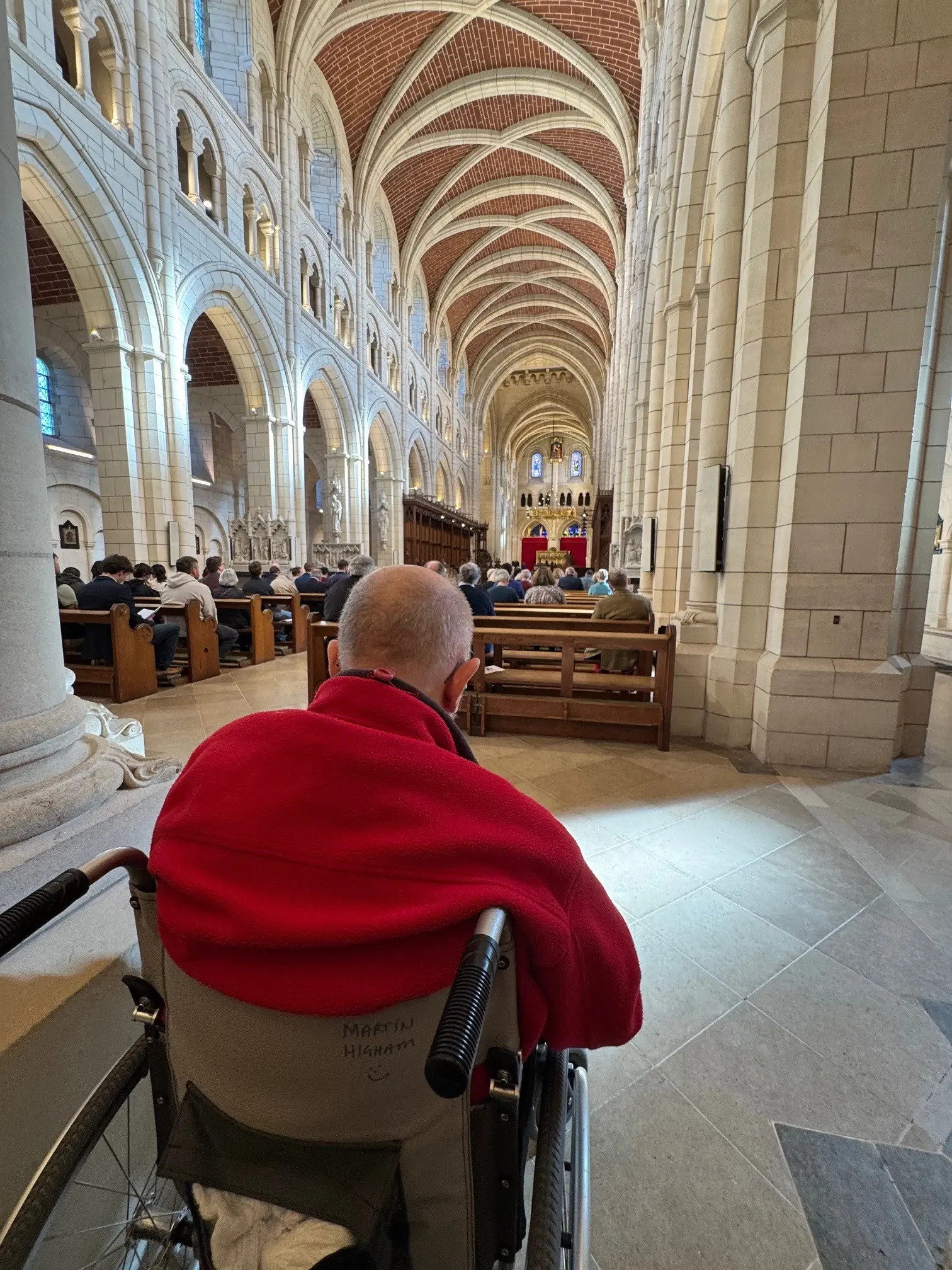
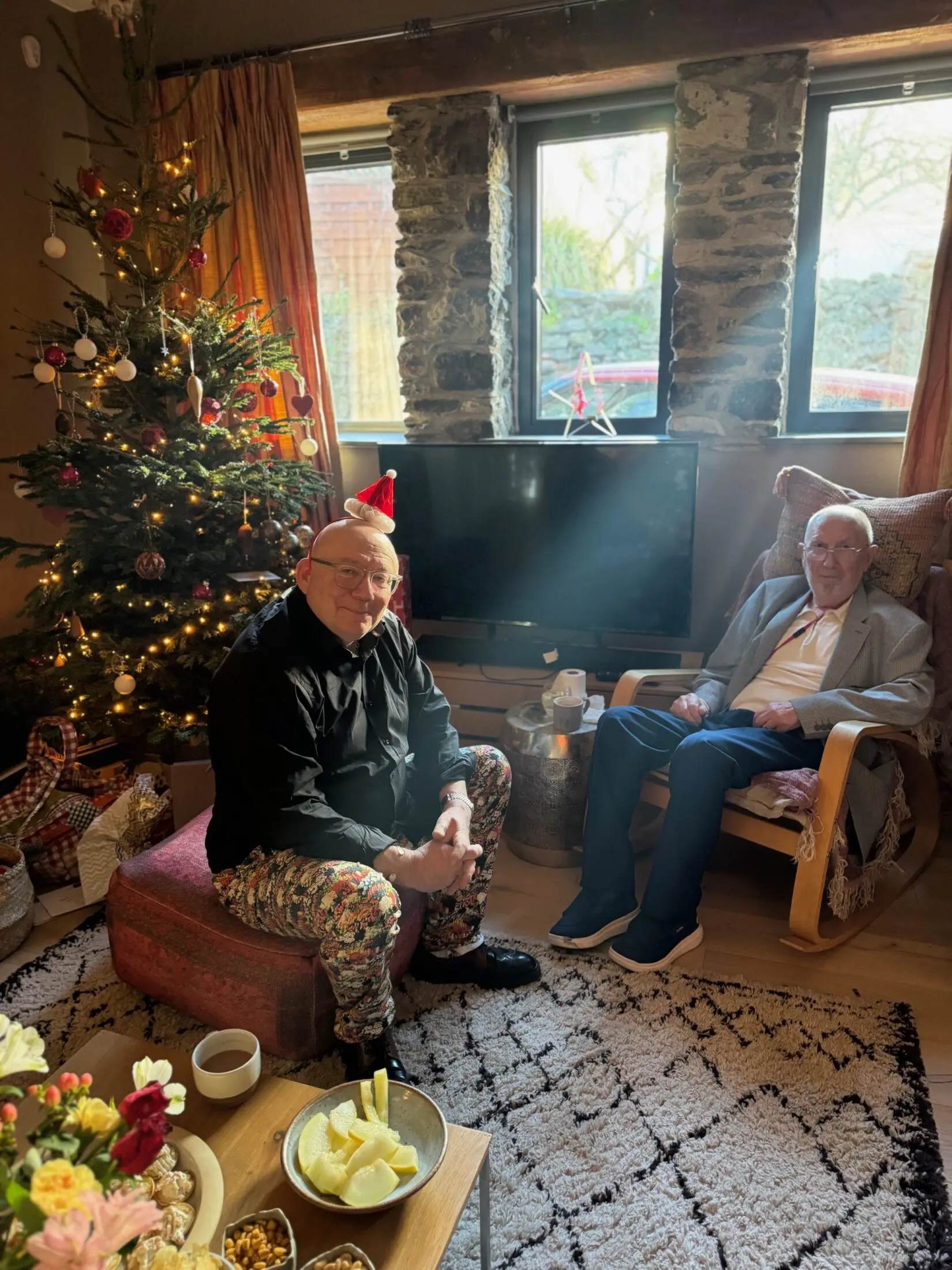
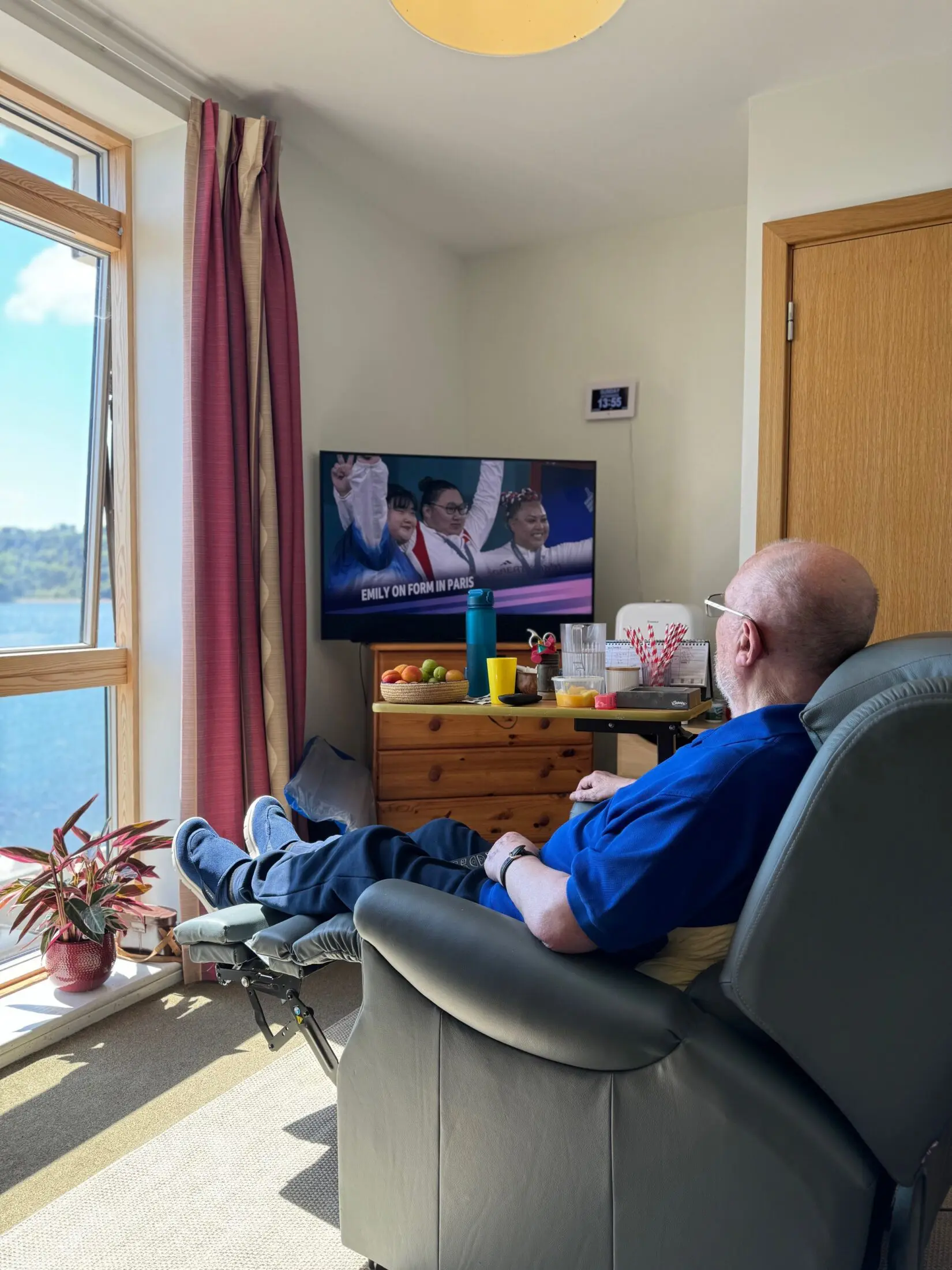
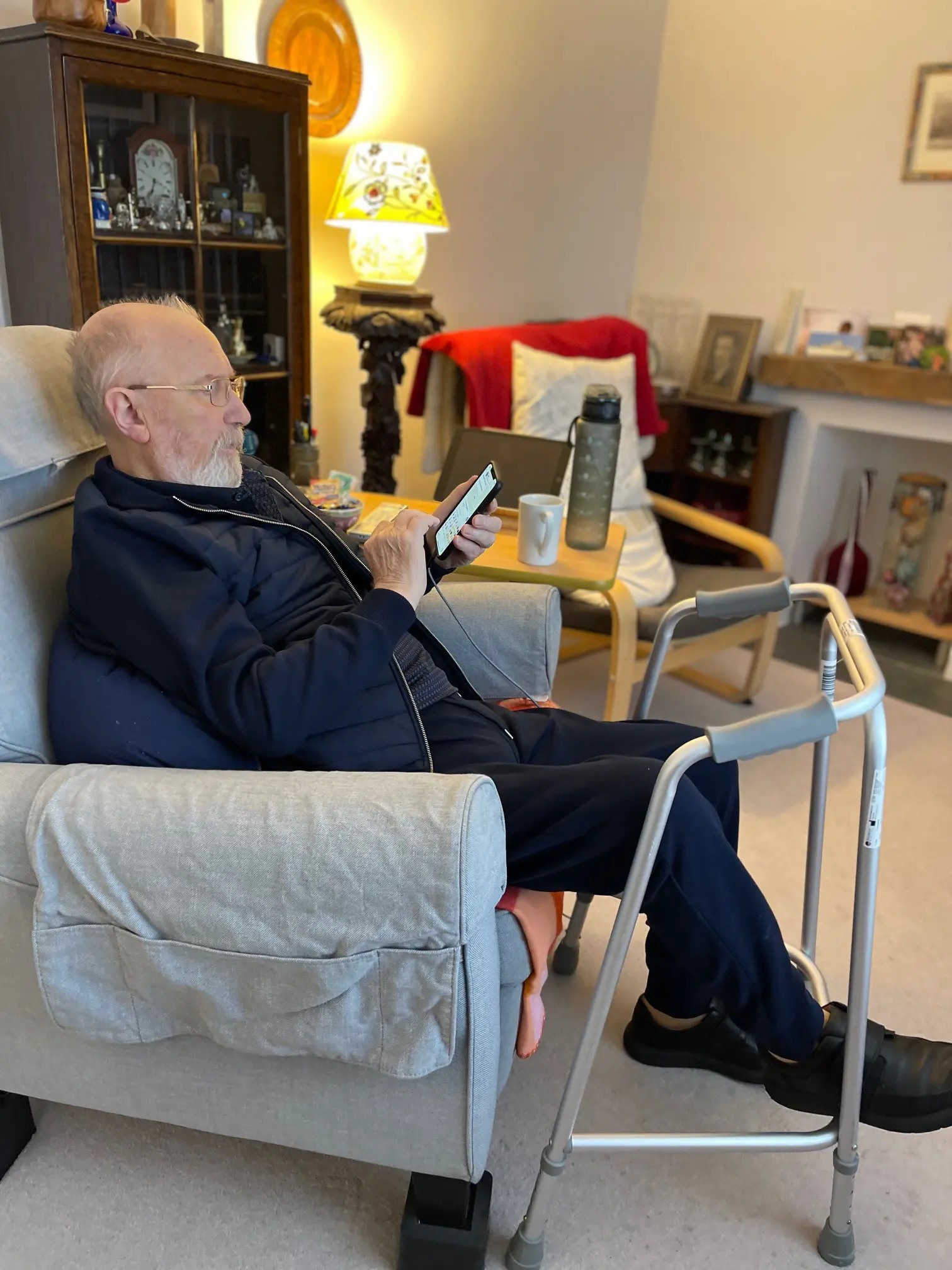
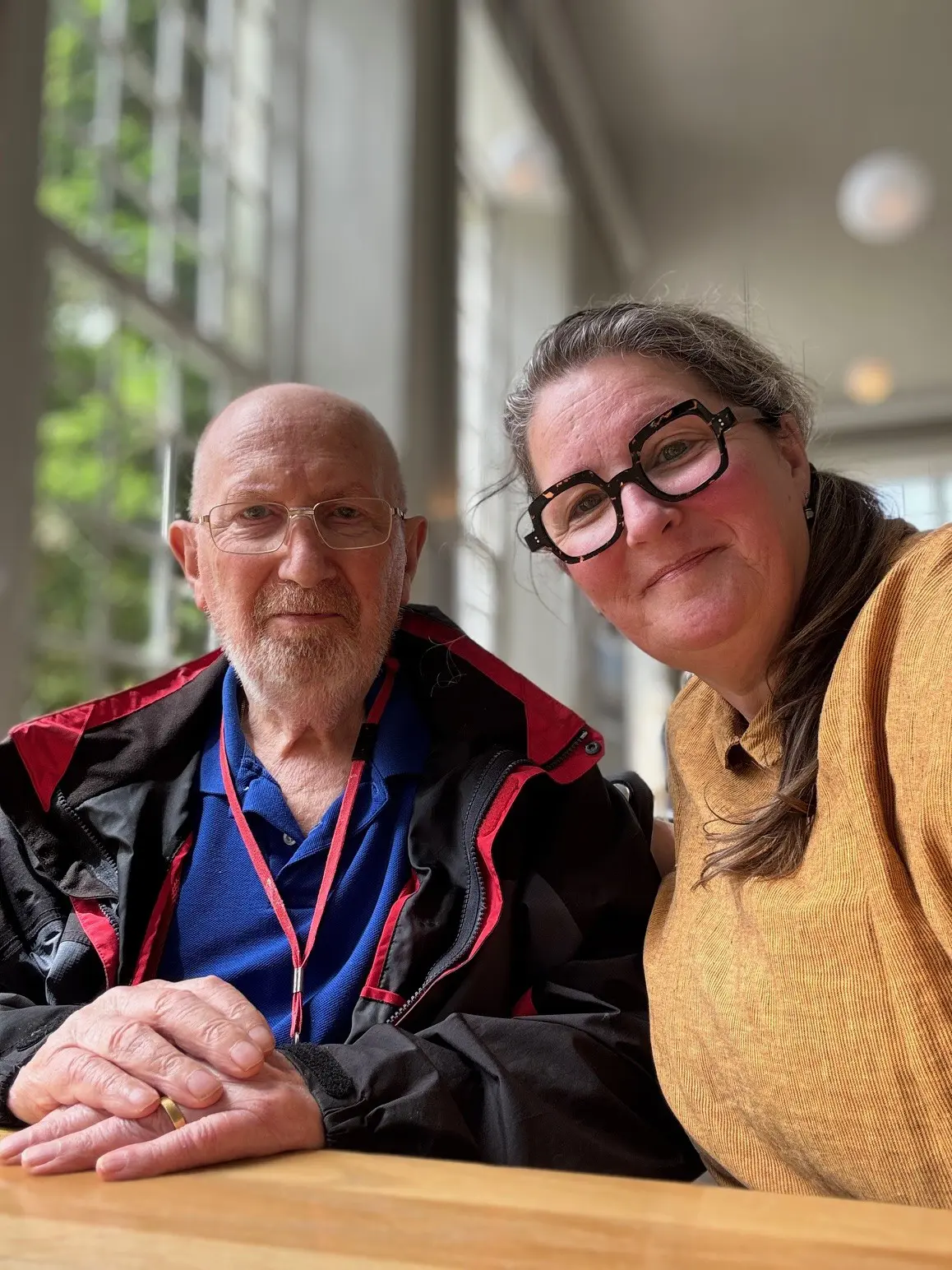
Since Dad’s MSA diagnosis, the biggest change has been a sense of clarity. After a long period of uncertainty, finally having a clear diagnosis brought unexpected relief. It helped us understand the symptoms and allowed us to move forward with greater honesty and focus. As his main carer, I also noticed how much it meant to Dad to feel listened to and taken seriously.
Had you heard of MSA beforehand?
No.
How do you feel about the changes MSA has made to your life?
While helping Dad live his best life with MSA, I’ve come a long way since his diagnosis in 2021. Many of the changes in my life now centre on safeguarding his welfare while preserving as much autonomy in his daily life as possible.
This approach takes more energy, eats into your social life, and absorbs much of your free time. The “dad-min,” as I call it, is constant, with many “tabs” always open. Carrying the mental load of being responsible for Dad’s welfare has been the greatest change — and the greatest challenge.
Yet it has also come with surprising benefits. I’ve worked on my own resilience, personal challenges, and self-care, all while juggling my feelings around the “long goodbye.”
Was there a particular point when you started to identify as a ‘Carer’.
Things changed when he was hospitalised for two months with mystery symptoms, later identified as atypical-onset MSA. During that time, Dad needed daily support on the ward, as well as help lining up his care package — coordinating between the GP, hospital, and community team — ready for his return home.
Personally, navigating all of this took over my life for those two months. Juggling work and home life alongside ever-changing demands was a very steep learning curve. I was learning how to navigate the care Dad was entitled to, while still being his emotional support.
Has anything from the MSA Trust been helpful while caring for someone living with MSA
The MSA Trust website and online social platforms have been a real treasure chest of information. We’ve accessed many of the fact sheets as symptoms emerged, as well as voice banking and support groups — for both Dad and me.
For me in particular, the online support groups have provided a sensitive and safe space to raise difficult topics that can be hard to address day to day. They’ve also allowed Dad to access information while, most importantly, not feeling so alone living with such a rare condition.
In addition, the specialist benefits and financial advice service — which I discovered through one of your social media posts — has been incredibly helpful.
What does the MSA Trust mean to you?
The MSA Trust represents support — a solid, dependable, and empathetic port of call, and a calm, trusted voice for both Dad and me. It provides the most up-to-date and comprehensive information, so you don’t have to disappear down the internet rabbit hole.
What are the challenges you have faced?
The main challenges I’ve faced are balancing my needs/wellbeing, while managing the ongoing ups and downs of Dad’s condition.
More specifically, it’s the mental load of being responsible for my dad, who lives with a complex disease with no known treatment. All the while trying to balance his needs with my own wellbeing. Navigating the NHS, although supported by skilled professionals, can be extremely challenging, with specialist teams rarely coordinating ongoing care. As a result, much of this responsibility falls to relatives, often without medical training, who are suddenly thrust into a caregiving role.
Is there anything you are grateful for?
Yes. As with losing Mum after a short battle with a second cancer during the pandemic, there is a strange flip side to a difficult diagnosis and challenging times. You come to appreciate periods of normal life more and feel grateful for the small, simple things, shining a light on true friendships within your support circle.
I’m also grateful for the MSA expertise gathered in one place and shared in a manageable, sensitive way, recognising that everyone’s journey with MSA is different, from onset through life with the condition.
Most of all, I’m grateful for my life’s musketeers — who help make the most difficult things doable, and for Dad’s pragmatism in making brave, loving decisions and allowing us to support him as he does
Any other thoughts you wish to share?
Yes. Showing emotion, admitting things are difficult, and asking for support is not a weakness. Carrying on as usual, for me, was not the best option. Managing personal and professional expectations on your time and energy is important.
Even when things are difficult, trust your instinct — you know your loved one best. Advocate strongly, ask healthcare professionals pertinent questions, and don’t be backwards in coming forwards, as the care the NHS delivers can sadly depend on polite, constant, yet firm advocacy.
For others living with MSA, yes, it’s a massive adjustment, but it’s also an advantage to have a proper diagnosis and free access to the MSA Trust website, with its up-to-date information and advice